
Small in Stature, Immense in Personality – Why the Teacup Pomeranian Captivates Hearts Worldwide
Bold, vivacious, and endlessly entertaining, this tiny fox-like companion is a breed of remarkable spirit and devotion.
Introduction: A Little Dog with a Lion’s Heart
A certain magnetism surrounds the Teacup Pomeranian. It is not merely their plush, foxy appearance, though that is undeniably captivating. Rather, it is their spirit—a bold, vivacious, almost defiant confidence that seems entirely disproportionate to their diminutive size. These are dogs that believe they are ten feet tall, and they carry themselves with an assurance that commands attention.
The Teacup Pomeranian is a breed of extraordinary character. They are not content to be passive lap dogs; they are active participants in daily life, curious observers of every household event, and vocal commentators on any passing occurrence. For families seeking a companion with a giant personality in a tiny, portable frame, the Teacup Pomeranian is an outstanding choice.
In this comprehensive guide, we will explore the history, physical characteristics, temperament, care requirements, and health considerations of the Teacup Pomeranian. Whether you are considering welcoming one into your home or already share your life with this spirited companion, this article will provide the insight needed to nurture a thriving, joyful relationship.
Chapter 1: The Origins and Heritage of the Teacup Pomeranian
The Pomeranian is a breed with a proud and fascinating history. They are named for the historical region of Pomerania, which straddles present-day Poland and Germany. However, their ancestors were much larger than the dogs we know today. The original Spitz-type dogs of the Arctic regions were used as sled dogs and herding animals, weighing up to 30 pounds or more.
Queen Charlotte of England, wife of King George III, first brought Pomeranians to the British Isles in the late 18th century. However, it was her granddaughter, Queen Victoria, who truly popularised the breed. Queen Victoria was an ardent admirer of Pomeranians and is credited with fostering the breed’s reduction in size. She exhibited her own Pomeranians, some of which weighed as little as 12 pounds, at dog shows, sparking immense public interest.
Over subsequent decades, dedicated breeders continued to refine the breed, gradually producing smaller and smaller dogs. The Teacup Pomeranian is the modern culmination of this centuries-long pursuit of miniaturisation—a dog that retains all the bold characteristics of their larger ancestors but in a highly portable, ultra-compact form.
Despite their reduced size, Teacup Pomeranians remain true to their Spitz heritage. They are alert, intelligent, and possess the distinctive double coat and foxy facial structure that characterises the breed. Their lineage is one of resilience, adaptability, and a remarkable willingness to bond with human companions.
Chapter 2: Physical Characteristics and Appearance
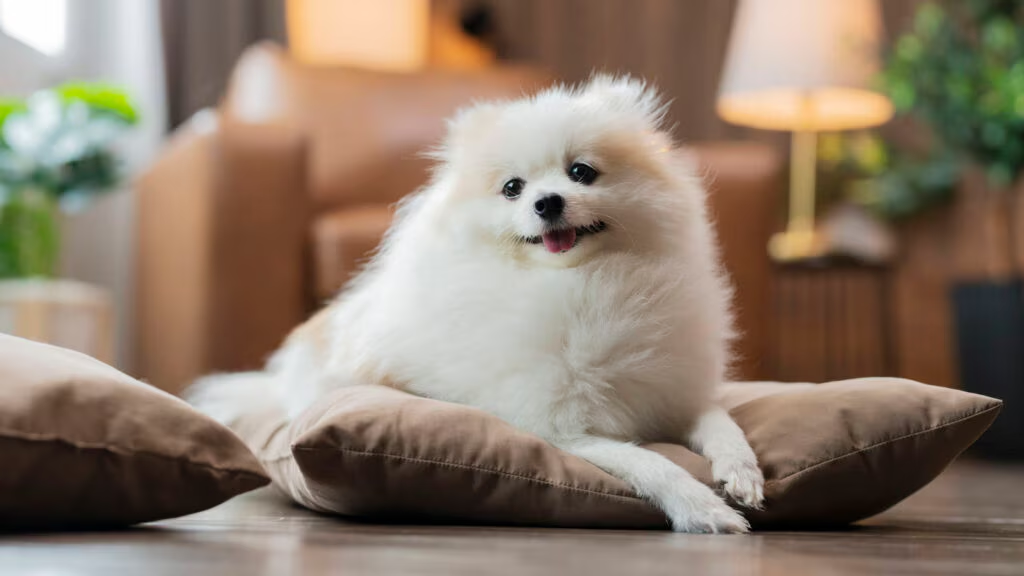
The Teacup Pomeranian is a vision of plush, foxy beauty. Their appearance is one of their most celebrated traits.
Size and Weight:
A fully grown Teacup Pomeranian typically weighs between 3 to 6 pounds, standing approximately 6 to 9 inches at the shoulder. This ultra-compact size makes them one of the smallest dog breeds in existence. Their tiny stature allows them to be carried in a handbag, travel easily in carriers, and adapt to apartments with limited space.
Coat and Colour:
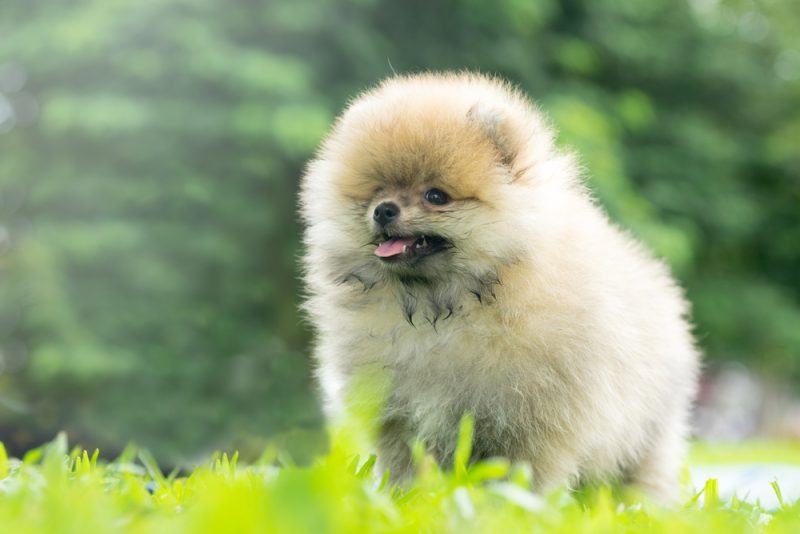
The Teacup Pomeranian possesses a thick, double coat that is a hallmark of the breed. The outer coat is long, harsh, and straight, while the undercoat is soft and dense. This combination creates their signature plush appearance.
Colour variations are remarkably diverse and include:
-
Orange: The most iconic Pomeranian colour, ranging from a light golden to a deep, rich rust.
-
Sable: A mix of black-tipped hairs over a lighter base, creating a stunning multi-toned effect.
-
Black: Solid, jet-black coats are striking and dramatic.
-
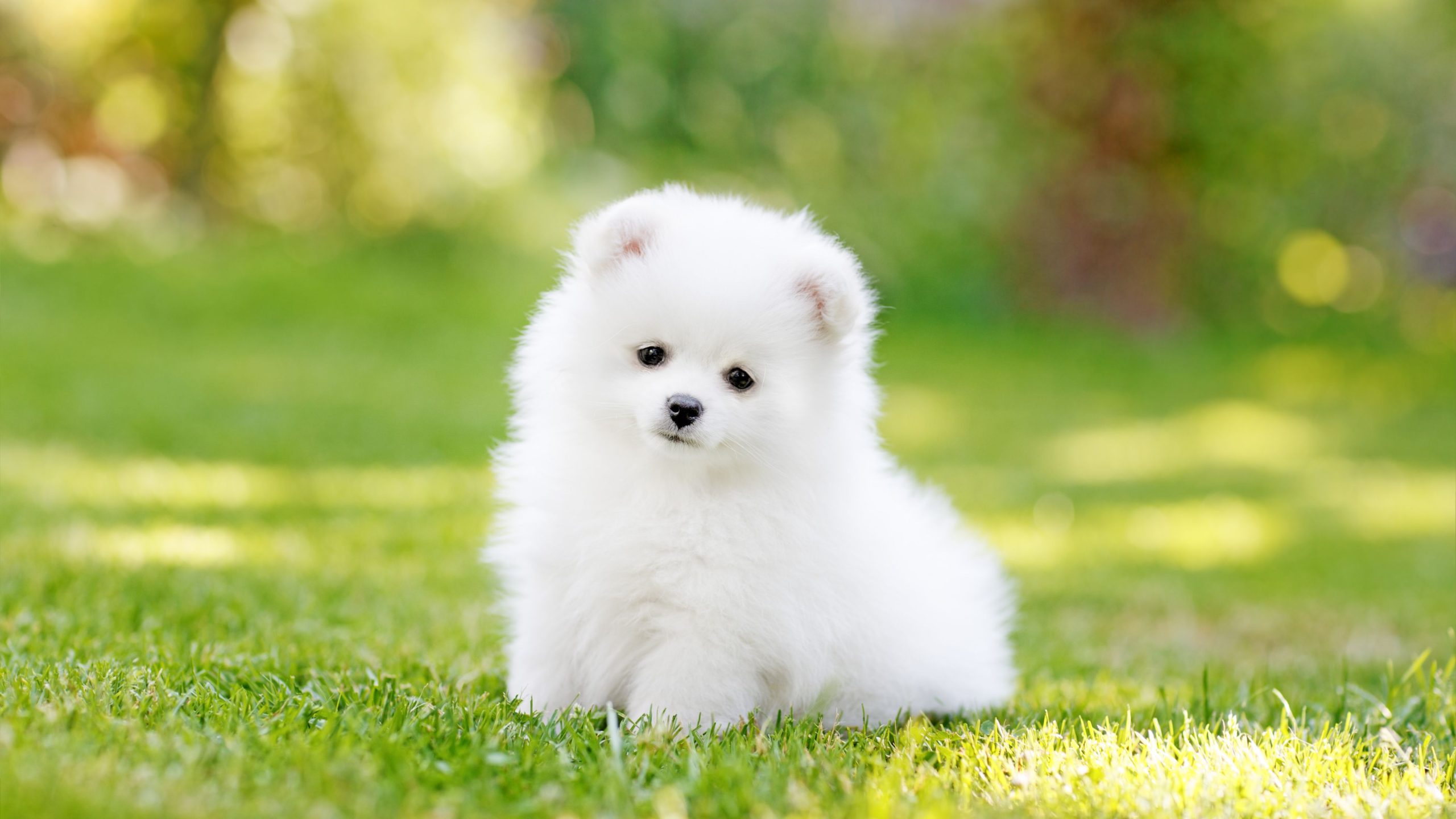
White: Pure white Pomeranians are rare and highly sought after.
-
Cream: A soft, pale shade that is elegant and warm.
-
Blue: A diluted silver-grey that is unique and beautiful.
-
Chocolate: A rich, brown hue that is increasingly popular.
-
Parti-Colour: A combination of white with any other colour, creating distinctive patterns.
Facial Features:
The Teacup Pomeranian has a distinctive foxy face with a short, pointed muzzle, dark, almond-shaped eyes, and small, erect ears. Their expression is typically alert and intelligent, reflecting their curious and confident nature.
Chapter 3: Temperament and Personality
The temperament of the Teacup Pomeranian is bold, vivacious, and utterly captivating.
Confident and Courageous:
Teacup Pomeranians are famous for their boldness. They do not perceive themselves as small dogs; they behave as if they are large, powerful guardians of their home. They are fearless in the face of larger dogs, alerting their families to any perceived threat with enthusiastic barking. This confidence makes them excellent watchdogs, though their vigilant nature can sometimes lead to excessive vocalisation.
Affectionate and Devoted:
Despite their independent streak, Teacup Pomeranians form deep, affectionate bonds with their primary caregivers. They crave attention and enjoy being involved in every aspect of family life. Teacup Pomeranians are happiest when at your side—sitting in your lap, following you from room to room, or curled beside you on the sofa. They are not aloof; they are engaged, present, and devoted.
Intelligent and Curious:
Teacut Pomeranians are highly intelligent, alert dogs with a natural curiosity about the world around them. They love to explore, investigate new sounds, and observe changes in their environment. This intelligence makes them trainable, though their independent nature can sometimes present challenges. Consistent, positive reinforcement works best.
Playful and Energetic:
These tiny dogs have abundant energy and a playful, sometimes mischievous, spirit. They enjoy games of fetch, interactive toys, and short, brisk walks. Their enthusiasm is infectious, and they bring a sense of liveliness to any household. Many owners describe them as “spirited” or “spunky,” terms that accurately capture their zest for life.
Loyal and Protective:
Teacup Pomeranians are intensely loyal to their families. They can be protective, sometimes displaying possessive behaviours over their favourite person or toys. Early socialisation and consistent training help to channel this loyalty constructively.
Chapter 4: Care and Grooming Requirements
The Teacup Pomeranian’s plush, double coat is beautiful but demanding. Regular, attentive care is essential.
Grooming:
Their thick double coat requires regular grooming to maintain its condition and prevent matting. Brushing at least three to four times per week is recommended. During seasonal shedding periods, daily brushing may be necessary to manage the loose undercoat.
A slicker brush and a metal comb are essential tools. Begin by brushing against the hair growth to remove tangles, then brush in the direction of growth to smooth the coat. Pay particular attention to areas prone to matting: behind the ears, under the legs, and around the tail.
Professional grooming every 4 to 6 weeks is typically required to maintain a neat, healthy appearance. This includes a bath, blow-dry, trimming, and nail clipping.
Bathing:
Bathe your Teacup Pomeranian approximately once a month using a high-quality, moisturising shampoo formulated for double-coated breeds. Thorough rinsing is essential to prevent skin irritation. Ensure the coat is completely dried to prevent skin issues and matting. Some owners use a high-velocity dryer, similar to those used by professional groomers, for optimal results.
Dental Hygiene:
Teacup Pomeranians, like many small breeds, are predisposed to dental issues. Daily tooth brushing with a dog-specific toothpaste is strongly recommended. Regular veterinary dental check-ups are essential to prevent periodontal disease.
Eye and Ear Care:
Their erect ears are prone to wax buildup and infections. Clean them weekly with a veterinarian-approved solution. Their eyes should be checked regularly for signs of discharge, tear staining, or irritation.
Chapter 5: Nutrition and Dietary Needs
The nutritional requirements of a Teacup Pomeranian are specific and require careful management.
Caloric Intake:
A typical adult Teacup Pomeranian requires approximately 150 to 250 calories per day, depending on their age, metabolism, and activity level. Their small size means even minor overfeeding can lead to unhealthy weight gain. Accurate portion measurement is essential.
Choosing the Right Food:
Select a high-quality small-breed or all-life-stages diet that lists a specific animal protein as the primary ingredient. Small breed kibble sizes are easier for their tiny mouths to chew. Look for foods with beneficial fats, such as omega fatty acids, to support their coat health.
Feeding Schedule:
Feed your Teacup Pomeranian two to three small meals per day. Teacup breeds are prone to hypoglycemia, particularly as puppies. Maintaining a consistent feeding schedule helps stabilise blood sugar levels.
Hydration:
Fresh, clean water should always be available. Monitor your dog’s water intake, as changes can indicate underlying health issues.
Chapter 6: Health and Genetic Considerations
Teacup Pomeranians, like all breeds, have specific health predispositions. Ethical breeding and rigorous genetic screening are essential to mitigate these risks.
Common Health Concerns:
-
Patellar Luxation: A common condition in small breeds where the kneecap slips out of its normal position.
-
Tracheal Collapse: A condition where the trachea weakens, causing a honking cough. Use a harness, not a collar, to protect your dog’s throat.
-
Dental Disease: Their small mouths make them susceptible to overcrowding and periodontal disease.
-
Hypoglycemia: Particularly in puppies, can cause weakness, lethargy, and seizures if blood sugar drops too low.
-
Cardiac Issues: Some Pomeranians can develop heart problems, including patent ductus arteriosus.
-
Alopecia X: A condition causing hair loss, sometimes called “black skin disease.” It is more common in male dogs and can be managed but not cured.
-
Progressive Retinal Atrophy: An inherited eye condition that can lead to blindness.
The Pure Path Pups Commitment:
At Pure Path Pups, we are dedicated to producing healthy, genetically resilient Teacup Pomeranians. Our breeding pairs undergo comprehensive screening for over 200 hereditary conditions, including those listed above. We provide a complete health dossier with every puppy, allowing you to understand their genetic background fully.
Chapter 7: Training and Socialisation
Training a Teacup Pomeranian requires patience, consistency, and an understanding of their unique personality.
Potty Training:
Potty training a Teacup Pomeranian can be challenging due to their small bladders. Consistency is key. Establish a strict schedule, take them out frequently, and reward successes immediately. Crate training is often effective. Consider using potty pads initially, gradually transitioning to outdoor elimination.
Basic Obedience:
Teacut Pomeranians are intelligent but can be stubborn. Positive reinforcement yields the best results. Use treats, praise, and play as rewards. Keep sessions short (5-10 minutes) to maintain engagement.
Socialisation:
Early socialisation is essential for a Teacup Pomeranian to develop confidence and reduce over-vigilant barking. Expose them to various people, environments, sounds, and other animals. Puppy socialisation classes are an excellent choice.
Behavioural Challenges:
-
Excessive Barking: Their alert nature can lead to persistent barking. Teach a “quiet” command and redirect their attention.
-
Separation Anxiety: They are deeply bonded to their families and can become distressed when left alone. Gradually accustom them to alone time with safe, engaging toys.
-
Possessiveness: Some Teacup Pomeranians can become possessive of toys, food, or people. Consistent training and resource-guarding protocols can help manage this.
Chapter 8: Exercise and Activity Levels
The Teacup Pomeranian is an energetic, playful breed requiring daily physical and mental stimulation.
Daily Exercise Needs:
A daily walk of 15 to 20 minutes, combined with interactive play sessions, is generally sufficient. They enjoy exploring, sniffing, and engaging with their environment. Be mindful of their small size—avoid long walks or strenuous activities that could exhaust them.
Mental Stimulation:
Their intelligent, curious nature demands mental engagement. Puzzle toys, treat-dispensing balls, and training games are excellent ways to keep their minds sharp. They also enjoy learning new tricks, which exercises both their body and brain.
Safe Exercise Practices:
-
Always use a harness, never a collar, to protect their fragile trachea.
-
Avoid allowing them to jump from heights (sofas, beds) to prevent joint injuries.
-
Be cautious in extreme temperatures—they are sensitive to heat and cold.
Chapter 9: The Teacup Pomeranian and Family Life
Teacup Pomeranians can be wonderful family dogs, provided certain considerations are respected.
Children:
They can be good with older, respectful children who understand how to handle small dogs gently. Young children may unintentionally injure them, so interactions should always be supervised. They are better suited to families with older children.
Other Pets:
With proper socialisation, Teacup Pomeranians can coexist with other dogs and cats. However, their boldness may lead to confrontations with larger dogs who do not appreciate their fearless attitude. Supervised introductions are essential.
Seniors:
Teacup Pomeranians are a popular choice for seniors, offering companionship, affection, and a manageable exercise commitment. Their small size and indoor adaptability make them ideal for apartments.
Chapter 10: Is the Teacup Pomeranian Right for You?
Consider these factors before adopting a Teacup Pomeranian.
You are an ideal candidate if you:
-
Can provide consistent companionship and attention.
-
Enjoy a bold, spirited personality.
-
Are committed to regular grooming and coat maintenance.
-
Live in an apartment or home with moderate space.
-
Appreciate a dog that is vocal and alert.
You may want to reconsider if you:
-
Are away from home for long hours.
-
Prefer a quiet, low-energy dog.
-
Have very young children who may not handle a small dog gently.
-
Are not prepared for daily grooming and shedding.
Conclusion: A Lifetime of Sprited Devotion
The Teacup Pomeranian is a breed of extraordinary character. Bold, affectionate, intelligent, and endlessly entertaining, they bring a unique energy to every home they grace. They are not passive companions; they are active participants in your life, demanding attention, offering devotion, and filling each day with laughter and joy.
At Pure Path Pups, we are honoured to raise Teacup Pomeranians who exemplify the best of their breed. Our commitment to ethical breeding, genetic screening, and early socialisation ensures that every puppy we place is poised to become a cherished, healthy, and well-adjusted member of your family.